Unique Digitized Embroidery Patterns for Logos, Fashion, and Branding
Introduction
There is something undeniably special about seeing a logo or design transformed into thread. The texture, the depth, the way light catches the stitches—embroidery adds a level of sophistication that printing simply cannot match. Whether you are branding uniforms for a growing business, creating custom fashion pieces, or building a product line around embroidered goods, the quality of your digitized patterns makes or breaks the final result. Unique Digitized Embroidery Patterns are the secret ingredient that separates professional-looking work from amateur attempts. They ensure your designs stitch out cleanly, accurately, and beautifully every single time.
When we talk about unique digitized patterns, we are not just talking about the design itself. We are talking about how that design is translated into stitch instructions that your embroidery machine can understand. A poorly digitized logo will pucker, gap, or distort, making your brand look unprofessional. A well-digitized pattern, on the other hand, will capture every detail of your artwork and translate it into crisp, clean stitches that hold up wash after wash. This is the art of embroidery digitizing, and it is essential for anyone serious about using embroidery for logos, fashion, or branding.
In this guide, we are going to explore everything you need to know about unique digitized embroidery patterns for commercial and creative applications. We will look at what makes a design embroidery-friendly, how professional digitizers work their magic, and how you can get the best results for your projects. Whether you are a small business owner, a fashion designer, or a hobbyist looking to take your work to the next level, this guide will give you the knowledge you need to make informed decisions about your embroidery patterns.
Why Embroidery Digitizing Matters for Branding
When you invest in embroidery for your brand, you are investing in perceived quality. Embroidered logos on uniforms, hats, or bags convey durability, attention to detail, and a premium feel that screen printing simply cannot replicate. But that premium feel only comes through if the digitizing is done correctly.
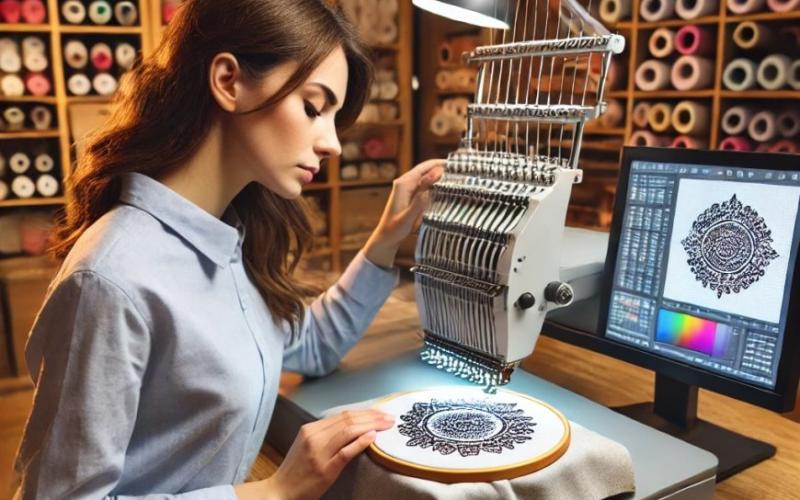
Embroidery digitizing is the process of converting a digital image, like a company logo or graphic, into a stitch map that an embroidery machine can read. This is not a simple conversion. It involves defining stitch direction, pattern, density, and stitch types for every part of the design. A good digitizer will decide whether to use satin stitches for bold outlines, fill stitches for large areas, or running stitches for fine details. These choices have a direct impact on how the final design looks on fabric.
For brands, consistency is everything. Your logo should look the same whether it is stitched on a polo shirt, a baseball cap, or a tote bag. Professional digitizing services create standardized "stitch logic" that ensures your brand identity remains consistent across all applications. This is especially important for businesses with multiple product lines or those working with different manufacturers.
What Makes a Design Embroidery-Friendly?
Not every logo or artwork is ready for embroidery straight out of the box. Some designs need to be simplified or adjusted to work well with thread. The best embroidery designs share a few key characteristics.
First, they use clear, simple shapes. Embroidery machines work best with bold outlines and solid areas of color. Intricate details that look great on a computer screen can become muddy or illegible when stitched. A good rule of thumb is that the smallest detail in your design should be at least 2 millimeters, and any text should be at least a quarter of an inch tall to remain readable.
Second, they use a limited color palette. Embroidery thread comes in solid colors, and each color requires a separate thread change during the stitching process. Gradients and blends that work well in digital printing simply do not translate to embroidery. Designs with five or six colors are much more practical and cost-effective than those with a dozen or more.
Third, they are provided in high-quality file formats. Vector files like SVG, AI, or EPS are the gold standard because they scale without losing quality. High-resolution PNG images at 300 DPI or higher can also work, but vector files give digitizers the cleanest starting point.
The Digitizing Process Step by Step
So how does a simple logo become a stitch-ready embroidery file? The process involves several careful steps, and professional digitizers treat each one with precision.
The first step is importing the artwork into digitizing software and sizing it for the final placement. For a left chest logo, you might aim for 2.5 to 4 inches wide. For a hat, you would go smaller, around 2 to 2.5 inches tall. Getting the size right at this stage prevents problems later.
Next, the digitizer selects fabric settings based on what the design will be stitched on. Different fabrics require different approaches. A cotton polo needs moderate underlay and pull compensation, while a stretchy knit needs more support to prevent distortion. Professional software often includes pre-set "recipes" for different fabrics, making this step more consistent.
Then comes the actual digitizing. The digitizer traces the main shapes of the design and assigns stitch types to each area. Satin stitches work well for bold elements like borders and text. Fill stitches cover larger areas. Running stitches handle fine details and travel paths between elements. For text, the digitizer pays special attention to stitch width, aiming for at least 1 millimeter to ensure the letters remain clean and readable.
Finally, the digitizer optimizes the stitching order, removes unnecessary trims, and adjusts density and pull compensation. This step ensures the design stitches efficiently with minimal thread breaks and fabric distortion. Once everything is dialed in, the file is saved in multiple formats to work with different machine brands.
The Value of Professional Digitizing
Given the complexity of the digitizing process, it is no surprise that many businesses and designers choose to outsource this work to professionals. Professional digitizers have years of experience and know exactly how to optimize a design for smooth stitching. They understand how different fabrics behave, how to balance density to prevent puckering, and how to set up underlay for stability.
Companies like ZDigitizing emphasize manual digitizing rather than relying on automated software, which allows for greater precision and customization. Their digitizers carefully adjust stitch density, stitch direction, and fabric compatibility to ensure clean outlines and precise lettering. Similarly, Cre8iveSkill offers a full range of digitizing services, including 3D puff embroidery, custom patches, and vector conversion, all backed by over 25 years of experience.
Outsourcing can save you significant time and frustration. Instead of spending months learning digitizing software and troubleshooting issues, you can focus on your actual business or creative work. Many digitizing services offer fast turnaround times, unlimited revisions, and files in multiple formats, making them a practical choice for brands that need consistent, high-quality results.
Applications in Fashion and Branding
Unique digitized embroidery patterns find their way into countless applications across fashion and branding. In the fashion world, embroidered logos and designs add a premium touch to everything from high-end designer pieces to boutique streetwear. Brands like Chanel and Ann Taylor use embroidery to enhance their apparel and accessories, creating a luxurious feel that customers love.
For businesses, embroidered branding is a staple of professional uniforms, promotional merchandise, and corporate gifts. A well-executed embroidered logo on a company polo or jacket communicates professionalism and attention to detail. It makes employees look polished and helps build brand recognition in a subtle, lasting way.
Custom patches are another popular application. From team badges to personalized name tags, embroidered patches are versatile, durable, and easy to apply to a wide range of products. They are perfect for brands that want to create a cohesive look across different items without embroidering each one individually.
Common Mistakes to Avoid
Even with professional help, there are some common mistakes that can trip up your embroidery projects. One of the biggest is using artwork that is too complex or detailed. Fine lines, small text, and intricate patterns often do not translate well to thread, so it pays to simplify your design before digitizing.
Another mistake is ignoring fabric choice. A design that stitches beautifully on a sturdy canvas might pucker or distort on a lightweight knit. Always consider the fabric you will be using and discuss it with your digitizer if you are outsourcing.
Finally, many people skip the test stitch. Before committing to a large production run, always stitch out a sample on the actual fabric you will be using. This allows you to catch any issues with color, size, or stitch quality before they become costly problems.
Conclusion
Unique digitized embroidery patterns are the bridge between your creative vision and the finished product. Whether you are branding a business, designing fashion, or creating custom gifts, the quality of your digitizing has a direct impact on the final result. A well-digitized design stitches out cleanly, accurately, and beautifully, conveying professionalism and attention to detail.
Understanding the digitizing process helps you make better decisions about your artwork and your choice of digitizing service. You will know what to look for in a design, how to prepare your files, and what questions to ask a professional digitizer. And you will have a much deeper appreciation for the skill and artistry that goes into every embroidered piece.
The next time you see a beautifully embroidered logo on a jacket or a stylish design on a bag, take a moment to appreciate the work that went into creating those digitized patterns. From the careful choice of stitch types to the precise adjustment of density and underlay, every detail was chosen to ensure that the design looked its best. That is the power of professional embroidery digitizing, and it is available to anyone willing to invest in quality.