Patio Paver Installation Contractors Denver Metro | Expert Guide
A professionally installed patio can transform an ordinary backyard into a comfortable and functional extension of the home. It can provide space for outdoor dining, entertaining, relaxing, and spending time with family while creating a natural connection between the house and landscape. For homeowners researching patio paver installation contractors denver metro, selecting an experienced professional is an important decision because a successful patio requires more than attractive paving materials. Proper site preparation, drainage, grading, material selection, and installation techniques all contribute to the finished surface and its long-term performance.
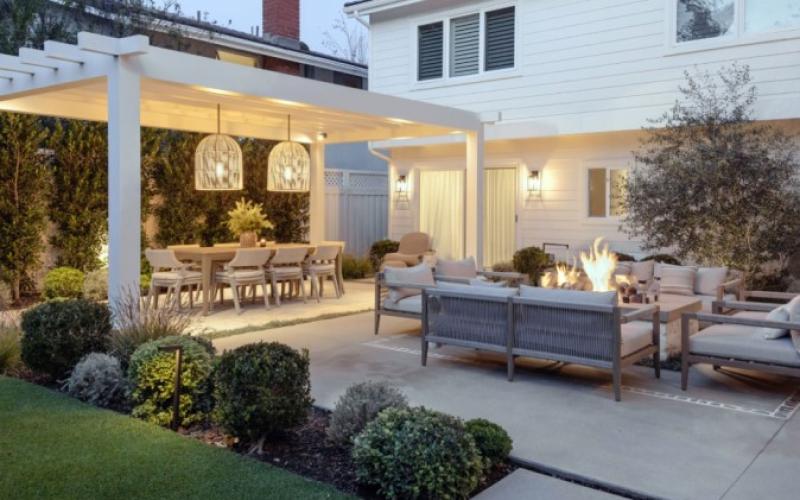
Paver patios are also highly adaptable, making them suitable for a wide range of outdoor living concepts. Homeowners may want a simple seating area, an expansive entertainment space, or a complete backyard design incorporating an outdoor kitchen, fire feature, retaining wall, landscaping, or walkways. Experienced patio paver installation contractors denver metro can help organize these elements into a cohesive plan that reflects the property's layout and the homeowner's lifestyle. The right approach considers both the visible design and the construction details beneath it, helping create an outdoor space that is attractive, practical, and easier to maintain.
Understanding Professional Paver Patio Installation
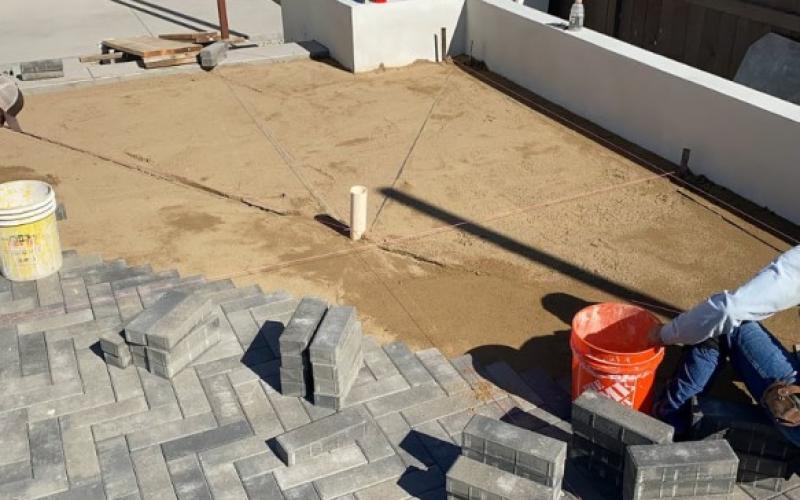
A paver patio is made from individual paving units installed over a prepared foundation. This construction method allows homeowners to choose from many colors, shapes, textures, patterns, and border styles. However, the visible pavers represent only one part of the overall system. The ground beneath the patio must be prepared to provide stability and support, while the finished surface needs appropriate grading to manage water. Depending on the property, installation can involve excavation, soil preparation, compaction, base installation, bedding material, edge restraints, paver placement, joint treatment, and final compaction. Each stage has a purpose, and overlooking one part of the process can affect the finished result. Professional installation therefore focuses on both appearance and structural preparation, ensuring the patio is designed around the property's actual conditions rather than simply following a standard installation formula.
Designing a Patio Around How You Live
A successful patio should be designed around its intended use. Homeowners who frequently host outdoor meals may need enough room for a dining table, chairs, food preparation, and comfortable circulation. Those who prefer casual relaxation may want a smaller seating area positioned around a fire feature or landscaped setting. Families with children may also want to preserve open space for recreation rather than covering the entire backyard with hardscape. The patio's relationship with the home is equally important. Doorways should remain convenient to access, furniture should not block primary routes, and transitions between indoor and outdoor areas should feel natural. Future needs should also be considered. A homeowner who may eventually add an outdoor kitchen, pergola, lighting, or additional seating can benefit from incorporating those possibilities into the original layout.
Selecting Pavers for Style and Performance
Paver selection should balance aesthetics with practical requirements. Concrete pavers offer a broad range of shapes, colors, textures, and patterns, while natural stone can provide a distinctive appearance with variations in texture and color. The best material depends on the property's architecture, intended use, maintenance preferences, and budget. Homeowners should consider how the selected pavers will coordinate with exterior walls, roofing, fencing, landscaping, retaining structures, and other hardscape features. Pattern selection can also influence the character of the space. Simple layouts can create a clean appearance, while borders and contrasting patterns can establish visual definition. It is generally better to choose a material that complements the property's existing design than to follow a short-lived trend. A well-coordinated patio can remain visually appealing even as the surrounding landscape changes and matures.
Why Base Preparation and Drainage Matter
The foundation beneath a patio plays a major role in its long-term performance. Before pavers are installed, the site may require excavation, grading, compaction, and installation of a properly prepared base. The specific approach depends on soil conditions, existing grades, expected use, and other characteristics of the property. Drainage also deserves careful attention because water should have a controlled path away from structures and vulnerable areas. Poor grading can contribute to standing water, erosion, movement, or drainage problems near the home. The patio should therefore be considered in relation to lawns, planting beds, walkways, steps, retaining walls, and existing drainage features. During patio paver installation contractors denver metro projects, careful site evaluation can help ensure that the finished patio works as part of the entire landscape rather than creating an isolated surface with its own drainage issues.
Integrating Patios With Other Outdoor Features
A patio can serve as the foundation for a much larger outdoor living environment. Outdoor kitchens, fire pits, fireplaces, seating walls, retaining walls, planting beds, walkways, and lighting can all be integrated into the design. When these elements are planned together, the backyard can be divided into useful zones without feeling fragmented. For example, a dining area can be located near the home and outdoor kitchen, while a separate seating area can face a fire feature or garden. Landscaping can soften hardscape edges and create transitions between different surfaces. Retaining walls can address elevation changes while also establishing planting areas or seating opportunities. The key is to determine how each feature will affect circulation, drainage, maintenance, and visual balance before construction begins. A coordinated plan often produces a more natural and functional result than adding features independently over time.
Choosing the Right Patio Installation Contractor
Selecting a contractor should involve more than comparing estimates. Homeowners should ask prospective contractors about their approach to excavation, base preparation, drainage, edging, materials, installation, and cleanup. A detailed proposal can help clarify what is included and make it easier to compare different options. Experience is particularly valuable when a property has uneven grades, difficult access, existing drainage concerns, or other site-specific challenges. Communication should also be considered. A contractor should be willing to discuss design preferences, material choices, project timing, maintenance expectations, and potential changes before construction begins. Reviewing previous work can provide useful insight into workmanship and design quality, but homeowners should also evaluate whether the contractor understands the practical requirements of their particular property. The best choice is usually based on the complete value of the proposed work rather than the lowest initial price.
Considering Denver-Area Outdoor Conditions
Outdoor construction in the Denver area requires thoughtful consideration of seasonal weather and property conditions. Temperature changes, precipitation, soil characteristics, sunlight, and drainage can all influence the way a patio should be designed and maintained. Materials should be selected for appropriate outdoor use, while installation methods should account for the site's specific characteristics. Landscaping around the patio should also be planned according to sunlight and water requirements. Proper drainage is particularly important where the patio connects with the house, planting beds, lawns, or retaining structures. Rather than assuming every property requires the same construction approach, homeowners should work with professionals who evaluate the site individually. Site-specific planning can help create a patio that works effectively with the surrounding landscape and remains practical through changing outdoor conditions.
Maintaining a Paver Patio After Installation
Regular maintenance can help preserve the appearance and usability of a paver patio. Sweeping removes leaves, dirt, and debris before they accumulate between pavers or along edges. Periodic cleaning may also be appropriate depending on the material and type of surface buildup. Homeowners should watch for weeds, damaged units, displaced pavers, deteriorating joints, or changes in drainage. One advantage of individual paving units is that localized sections can sometimes be removed, corrected, or replaced without reconstructing the entire patio. The appropriate maintenance routine will depend on the materials, surrounding vegetation, exposure, and frequency of use. Seasonal inspections can be particularly useful because they allow homeowners to identify small concerns early and address them before they become more difficult to manage.
Planning the Patio as a Long-Term Investment
The cost of a patio project depends on much more than the pavers themselves. Excavation, grading, base preparation, drainage, edging, labor, access, demolition, steps, retaining walls, and additional outdoor features can all affect the project's scope. Homeowners should establish their priorities before construction begins and determine which improvements are most important. If entertaining is the primary objective, additional space for seating and food preparation may be worthwhile. If relaxation is more important, comfortable seating, privacy, shade, and landscaping may deserve greater attention. It is also useful to consider future improvements before finalizing the design. A well-planned patio can provide space for additional features without requiring major reconstruction. When evaluating patio paver installation contractors denver metro, homeowners should consider workmanship, construction methods, materials, communication, and long-term usability alongside the initial investment.
Conclusion
A successful paver patio combines thoughtful design with dependable construction. From choosing appropriate materials and establishing a practical layout to preparing the foundation and managing drainage, every stage contributes to the final result. Homeowners should evaluate contractors based on their experience, attention to site conditions, communication, installation methods, and ability to create a design that fits the property. A patio can also become much more valuable when it is coordinated with landscaping, outdoor kitchens, fire features, walkways, retaining walls, and other outdoor living elements. Ultimately, patio paver installation contractors denver metro should be chosen with long-term performance and functionality in mind rather than price alone. With careful planning and quality workmanship, a paver patio can become an attractive, comfortable, and practical part of the home for years to come.