Gutter Installation in Colleyville TX: Protect Your Home From Runoff
Effective rainwater management is an important part of maintaining a residential property, particularly in an area where intense storms can place considerable demands on exterior drainage systems. gutter installation in colleyville tx gives homeowners a practical way to collect water from the roof and guide it toward controlled discharge points. Without properly functioning gutters, runoff can fall directly beside exterior walls, erode landscaping, stain surfaces, and contribute to unwanted moisture around the foundation. A well-designed system helps turn uncontrolled roof runoff into a predictable drainage path while complementing the property's exterior appearance.
Choosing gutter installation in colleyville tx also requires more consideration than simply selecting a gutter color and attaching channels to the roofline. Colleyville properties can have large roofs, complex architectural designs, mature trees, and different drainage requirements from one home to another. Homeowners may be replacing aging sectional gutters, building a new property, correcting recurring overflow, or improving an existing drainage system. Understanding gutter materials, sizing, downspout placement, installation quality, and long-term maintenance can help property owners make a practical decision based on how their home actually handles rainwater.
Why Proper Gutter Installation Matters
Gutters are designed to control the first stage of a property's rainwater drainage process. As water moves down the roof, the gutter collects it and channels it toward downspouts rather than allowing concentrated runoff to fall directly beside the building. This can help reduce soil erosion and limit unnecessary saturation around vulnerable areas. However, the system only performs effectively when its components work together. Gutters need an appropriate slope, secure support, correctly positioned outlets, and sufficient capacity for the roof area they serve. A poorly installed system can overflow even when the gutters themselves are new. For that reason, installation should begin with an assessment of the roof configuration and existing ground drainage. Understanding where water naturally concentrates allows the gutter layout to be designed around actual runoff patterns instead of relying on a generic arrangement.
Choosing Between Seamless and Sectional Gutters
One of the most important choices homeowners face is whether to use sectional or seamless gutters. Sectional systems are assembled from multiple pieces, creating more joints along longer roof runs. Seamless systems are formed in longer continuous sections according to the property's measurements, reducing the number of joints across the main gutter runs. This can create a cleaner appearance and reduce potential leak locations. Seamless gutters are also well suited to properties with long or irregular rooflines because the system can be fabricated to fit the building. Nevertheless, the quality of corners, end caps, outlets, and downspout connections remains important because these areas still require individual fittings. Homeowners should evaluate the complete system rather than assuming that the seamless label alone determines quality. Proper measurement, fabrication, slope, fastening, and drainage design all contribute to the final performance.
Selecting the Right Gutter Material and Size
Material and size should be chosen according to both functional and architectural requirements. Aluminum is a popular option because it combines relatively low weight with durability and a broad range of available finishes. Copper can provide a distinctive appearance for properties where architectural character is an important consideration, while other metal options may be appropriate for specific design or performance requirements. Gutter dimensions are equally important because a channel must be capable of handling the amount of water generated by its assigned roof area. Roof pitch, surface area, valleys, and rainfall intensity can affect how quickly water reaches the gutter. A large roof section that concentrates water into one location may require a different drainage configuration from a smaller roof plane. Selecting the right size therefore involves evaluating the roof as a complete water-collection surface rather than choosing a gutter based only on standard dimensions.
Planning Downspout Placement
Downspouts determine where collected water leaves the gutter system, making their placement a critical part of installation. If too much water is directed through a single outlet, that section may become overwhelmed during heavy rainfall. Conversely, poorly positioned downspouts can release water close to the foundation or into landscaping that is easily eroded. An effective layout distributes runoff appropriately and provides a clear path toward a suitable discharge area. Extensions can move water farther away from the structure, while underground drainage or catch basins may be considered where surface drainage is limited. Existing grading should also be reviewed because the slope of the property can influence where discharged water travels. Homeowners should think beyond the roofline when evaluating a gutter proposal. The best system creates a controlled route from the roof all the way to the final discharge point.
Gutter installation in colleyville tx : Preparing the Property
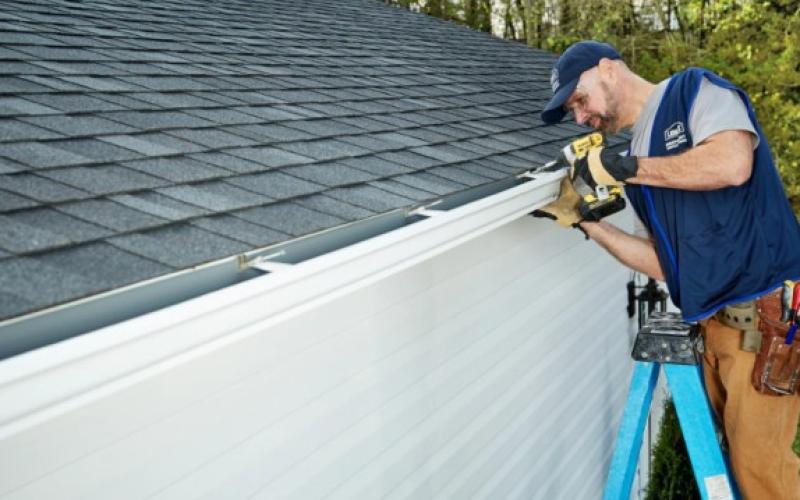
Before new gutters are installed, the condition of the roof edge and supporting surfaces should be evaluated. Fascia boards that are damaged or weakened by prolonged moisture may not provide a reliable mounting surface for new gutters. Addressing these conditions before installation can help prevent future movement or detachment. The existing drainage pattern should also be reviewed to identify areas where water currently pools or erodes soil. Mature trees deserve particular attention because leaves and small branches can increase maintenance requirements, while their proximity to the roof can influence the choice of gutter protection. Quinn Gutters offers gutter installation and related drainage solutions, including seamless systems and options designed around different property requirements. For homeowners, the key consideration is whether the proposed installation accounts for the building's structure, roof configuration, water flow, and ongoing maintenance needs.
Common Installation Problems to Avoid
Several installation mistakes can reduce gutter performance even when high-quality materials are used. Insufficient slope can leave standing water inside the channel, while excessive slope may reduce the system's ability to collect runoff evenly. Too few downspouts can cause water to travel long distances before reaching an outlet, increasing the risk of overflow. Weak or widely spaced fasteners may allow gutters to sag under the weight of water and debris. Another common issue is directing downspout discharge directly against the foundation without considering the property's grading. Homeowners should also be cautious about installing new gutters without addressing deteriorated fascia or existing drainage problems. A successful project should correct underlying conditions where necessary rather than simply covering visible symptoms. Careful planning at the beginning can reduce the likelihood of repeated repairs and help the system perform consistently during significant rainfall.
Maintaining New Gutters After Installation
New gutters still require regular maintenance to remain effective. Leaves, twigs, roof granules, and other debris can accumulate inside channels and restrict water movement. Homes surrounded by mature trees may need more frequent cleaning than properties with little vegetation near the roof. Downspouts should also be inspected because a blockage can prevent water from leaving the gutter even when the horizontal channels are clear. Homeowners should periodically look for sagging sections, loose fasteners, separated joints, damaged outlets, and signs of overflow. Gutter guards may reduce the amount of larger debris entering some systems, but they do not eliminate the need for inspection. Maintenance should also include observing where downspouts discharge water. If pooling or erosion develops after installation, the drainage route may need an extension or another corrective measure. Consistent upkeep helps protect the investment and makes it easier to identify developing issues before they become extensive repairs.
When Replacement Makes More Sense Than Repair
Repair can be a sensible option when damage is isolated and the majority of the existing system remains structurally sound. Small leaks, loose hardware, damaged outlets, or individual sections may sometimes be corrected without replacing the entire installation. However, widespread deterioration, repeated overflow, multiple failing joints, or an undersized design can make replacement more practical. Homeowners should consider whether recurring problems are caused by damage or by limitations in the original gutter layout. Replacing an undersized system with another system of the same capacity may simply reproduce the same drainage problem. A professional assessment can help compare the condition of existing components with the property's actual runoff requirements. This approach allows homeowners to make a decision based on long-term performance instead of responding to each defect individually.
Conclusion
A properly designed gutter system is an important investment in a property's exterior drainage and long-term maintenance. Effective installation requires more than attaching channels to the roofline; it involves evaluating roof dimensions, selecting suitable materials and sizes, creating appropriate slopes, securing the system correctly, positioning downspouts strategically, and planning for final water discharge. Homeowners considering **gutter installation in colleyville tx ** should also think about mature trees, existing drainage conditions, fascia integrity, and future maintenance before choosing a system. By prioritizing sound design and professional workmanship, property owners can create a dependable way to manage roof runoff while preserving the appearance and condition of their home. A thoughtful installation today can make routine maintenance easier and provide a stronger foundation for responsible property care over the years.