Free Roof Inspection Houston TX: What Homeowners Should Know
A roof protects a home from intense sunlight, heavy rain, strong winds, and severe storms, making its condition an important part of overall property maintenance. Houston homeowners may not notice roofing problems until water enters the attic or living space, but many issues begin much earlier with damaged shingles, deteriorated flashing, loose materials, or weakened seals. Scheduling a free roof inspection houston tx can give property owners a practical opportunity to understand the current condition of their roofing system without immediately committing to repairs. A professional evaluation can be especially useful after severe weather or when a roof has reached an age where routine monitoring becomes more important.
The search for free roof inspection houston tx is particularly relevant in a market where homeowners need dependable ways to evaluate storm-related damage and general roof deterioration. Hail, wind, heavy rainfall, heat, and humidity can all place stress on roofing materials over time. Homeowners, landlords, commercial property managers, and prospective buyers may benefit from an inspection because identifying concerns early can make repair planning easier. A quality inspection should focus on the actual condition of the roof rather than using the appointment simply as a sales opportunity, giving property owners useful information they can use to make informed maintenance decisions.
Why Houston Homes Benefit From Regular Roof Inspections
Houston's weather can expose residential roofing systems to a wide range of conditions throughout the year. Strong thunderstorms can produce wind and hail, while prolonged heat and sunlight can gradually age roofing materials. Heavy rainfall can test flashing, drainage systems, valleys, and roof penetrations, particularly when existing weaknesses are present. These conditions make periodic inspection a sensible part of home maintenance. A roof may continue to appear functional from the ground while developing problems that are visible only during a closer examination. Professional inspections can evaluate shingles, flashing, vents, gutters, roof edges, and other vulnerable areas for signs of deterioration. Finding a problem before it contributes to interior water damage can give homeowners more options for addressing it and may reduce the likelihood of emergency repairs.
What a Professional Roof Inspection Should Examine
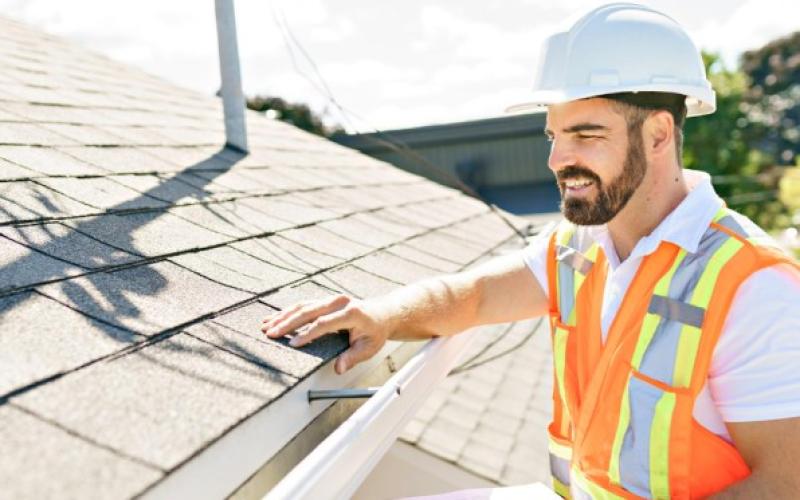
A thorough roof inspection should evaluate the roofing system as a whole rather than concentrating on a single visible area. Inspectors may examine shingles or other roofing materials for cracking, displacement, granule loss, impact marks, deterioration, or unusual wear. Flashing around chimneys, vents, skylights, walls, and other penetrations deserves careful attention because these areas can become vulnerable to moisture intrusion. Roof valleys and drainage components should also be reviewed because water naturally concentrates in these locations. When accessible and appropriate, an attic examination can provide additional information about moisture staining, ventilation conditions, insulation concerns, or signs of water entry beneath the roof surface. Photographic documentation can make findings easier for homeowners to understand and provides a useful record of the property's condition. The purpose of a quality inspection is to identify both visible damage and conditions that could contribute to future problems.
How to Find a free roof inspection houston tx
Finding a trustworthy inspection provider requires homeowners to look beyond the word "free." A no-cost inspection can be useful, but the value depends on the thoroughness of the evaluation and the quality of the information provided afterward. Homeowners should look for contractors who clearly explain what their inspection includes and whether they provide photographs, written findings, or repair recommendations. It is also helpful to understand whether the company evaluates storm damage, ventilation, flashing, drainage, and other components rather than performing only a quick visual check. Property owners should be cautious of high-pressure sales tactics or recommendations for major work without adequate explanation. Houston roofing companies may offer different inspection approaches, so comparing the scope of the service can help homeowners select a provider that emphasizes accurate assessment and transparent communication.
When to Schedule a Roof Inspection
There are several situations when a professional roof inspection becomes especially useful. After a major hail or windstorm, an inspection can help determine whether roofing materials or exposed components were affected even when no interior leak is visible. Homeowners may also schedule an evaluation when they notice missing shingles, damaged flashing, ceiling stains, unexplained moisture, or changes in the appearance of the roof. An inspection can be useful before buying or selling a property as well, because understanding the roof's condition can support better planning and reduce surprises during a transaction. Older roofs may benefit from more regular professional attention because normal aging can gradually reduce the performance of roofing materials. The appropriate inspection schedule depends on the roof's age, material, environmental exposure, and history, but waiting until a major leak appears is rarely the ideal maintenance strategy.
Identifying Storm and Hail Damage
Storm damage is not always immediately obvious after severe weather. Hail can leave localized impact marks or weaken roofing materials without creating an immediate opening, while strong winds can lift, loosen, or displace shingles. Flashing, vents, gutters, and other exposed components may also be affected. A professional inspection can examine these areas systematically and document findings with photographs where appropriate. Homeowners should avoid assuming that every post-storm problem requires complete roof replacement. The extent and location of the damage, the roof's existing condition, and the type of roofing material all influence the appropriate repair approach. A careful assessment can help distinguish isolated damage from widespread deterioration and give the homeowner a clearer understanding of what work may actually be necessary.
What to Do After an Inspection
Once an inspection is complete, homeowners should review the findings carefully rather than feeling pressured to make an immediate decision. A useful report should identify areas of concern, explain their significance, and distinguish urgent repairs from issues that can reasonably be monitored. If damage is found, the property owner can discuss repair options, expected timelines, materials, and potential costs with the contractor. When an insurance claim may be relevant, homeowners should understand that the contractor's inspection is separate from the insurer's claim decision. Keeping photographs, written observations, invoices, and repair records can help maintain an organized property history. If no significant problems are found, the inspection still provides value by establishing a baseline for future maintenance and giving the homeowner greater confidence in the roof's current condition.
Choosing Repairs Based on Actual Roof Condition
An inspection should guide practical decisions rather than automatically lead to the most extensive available roofing service. Minor damage may be appropriate for localized repair, while widespread deterioration, extensive storm damage, or an aging roofing system may justify considering replacement. The right choice depends on the roof's material, age, structural condition, previous repairs, and extent of current damage. Homeowners should ask contractors to explain why a particular solution is recommended and what could happen if identified problems remain unresolved. Transparent contractors should be able to discuss alternatives when more than one reasonable approach exists. A property owner who understands the condition of the roof can make a more informed decision about timing, budget, and long-term maintenance rather than reacting to an unexpected emergency.
Preventive Roof Maintenance After Inspection
A professional inspection is most useful when it becomes part of a broader maintenance strategy. Homeowners can help protect their roofing system by keeping gutters and drainage paths clear, maintaining nearby trees, watching for visible changes after severe weather, and addressing minor concerns before they worsen. Attic areas can also provide useful clues because new stains, damp insulation, or unusual odors may indicate moisture problems that deserve attention. Homeowners should avoid walking on the roof themselves, particularly when surfaces are steep, wet, damaged, or otherwise difficult to access safely. Instead, visible concerns can be documented from the ground and discussed with a qualified professional. Maintaining records of inspections and completed repairs also creates a useful history that can assist with future maintenance decisions.
Conclusion
A roof inspection can give Houston homeowners valuable information about storm damage, aging materials, moisture risks, and the overall condition of their property's roofing system. When considering a free roof inspection houston tx, homeowners should focus on the quality and scope of the inspection rather than simply choosing the first no-cost offer available. A dependable evaluation should examine important roofing components, document significant findings, and explain whether repairs, continued monitoring, or further assessment is appropriate. Regular attention can help property owners respond to problems before they become more disruptive while supporting better long-term maintenance planning. By choosing a transparent and experienced roofing professional and using inspection findings to guide practical decisions, homeowners can protect their property and maintain greater confidence in the roof over their home.