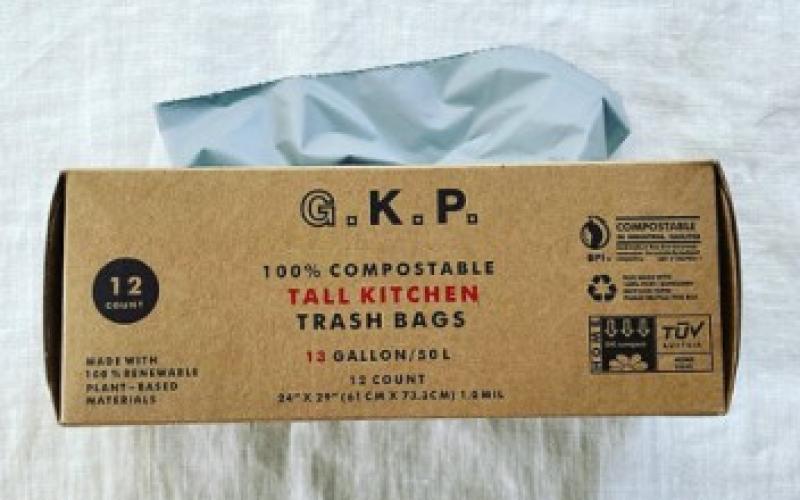
Compostable Trash Bags: A Practical Guide to Sustainable Waste
Compostable trash bags are gaining attention among households and businesses looking for practical ways to manage everyday waste more responsibly. These bags are designed for specific composting environments and can be particularly useful for collecting appropriate food scraps and organic waste. As more people reconsider disposable household products, the appeal of compostable alternatives extends beyond environmental concerns to include convenience, storage, durability, and compatibility with existing waste routines. Choosing the right bag, however, requires more than selecting a product labeled compostable. Users need to understand the intended application, disposal requirements, material characteristics, and limitations before incorporating these bags into regular household or commercial waste management.
The growing interest in compostable trash bags is also part of a wider movement toward reducing unnecessary packaging and making everyday purchasing decisions more intentional. Homeowners may use them for kitchen waste, while restaurants, cafés, offices, and other businesses may consider them for appropriate organic waste streams. Consumers are increasingly exploring refill systems and reusable household products as complementary strategies. Mission Refill, for example, offers refill options for commonly purchased household goods and carries products in plastic-free, recyclable, or compostable packaging, illustrating how individual purchasing decisions can become part of a broader low-waste routine.
Understanding How Compostable Trash Bags Work
Compostable trash bags are made from materials intended to break down under defined composting conditions rather than remaining intact like conventional plastic. However, the word “compostable” does not mean that every bag will decompose in every environment. Some products are designed for commercial or industrial composting facilities where temperature, moisture, oxygen, and processing conditions are carefully managed. Others may be specifically developed for home composting. This distinction is important because a bag that is accepted at one composting facility may not be accepted by another. Before purchasing, users should check the product's stated composting requirements and understand what their local waste-management system accepts. This helps prevent contamination and ensures that an environmentally focused purchase actually follows an appropriate end-of-life pathway.
Why Material Quality and Certification Matter
Material quality influences a compostable bag's strength, flexibility, shelf life, and performance when carrying wet or heavy waste. A bag that is too thin may tear when filled with food scraps, while an excessively thick bag may use more material than necessary for a simple household application. Consumers should also look for clear information about intended composting conditions and recognized certification where applicable. Certification can provide useful assurance that a product has been assessed against established compostability requirements, but it does not automatically mean that every local composting service will accept it. Buyers should therefore consider product specifications and local disposal policies together. It is also important to distinguish compostable from biodegradable terminology, as these terms can describe different characteristics and do not necessarily indicate identical disposal outcomes. Careful product selection helps consumers avoid relying on vague environmental claims and instead choose bags appropriate for their actual waste-management needs.
Choosing the Right Size and Strength
The ideal bag size depends on the container and the type of waste being collected. A small countertop container for food scraps requires considerably less capacity than a commercial organic-waste bin, and using an unnecessarily large liner can lead to inefficient material use. Strength is equally important because food waste can become surprisingly heavy when moisture accumulates. A suitable bag should be strong enough for its intended load while remaining easy to remove and transport. Users should also think about how frequently the bin is emptied. Smaller bags may be more practical when organic waste is removed regularly, while larger options can make sense where collection schedules are less frequent. For businesses, choosing consistent sizes can simplify purchasing, storage, and staff procedures. Evaluating capacity and durability together helps prevent leaks, tears, and unnecessary product consumption.
Proper Storage and Everyday Handling
Compostable bags should generally be stored according to the manufacturer's recommendations, particularly because some materials can be affected by excessive heat, moisture, or prolonged storage. Keeping unused bags in a cool, dry location can help preserve their intended performance until they are needed. During use, sharp objects should be kept away from the liner because punctures can cause leaks regardless of the material. Users should also avoid overfilling the bag, especially when collecting wet food scraps. Removing the bag before it becomes excessively heavy makes transportation easier and reduces the risk of tearing. If the bag is being used in a kitchen container, choosing an appropriately sized bin can also help prevent the liner from slipping into the container. These simple handling practices improve convenience and can help users get better practical performance from compostable products.
Compostable Bags and Food Waste Collection
Food waste is one of the most common applications for compostable liners, particularly when households collect vegetable scraps, fruit peels, coffee grounds, and other suitable organic materials. A liner can make countertop collection more convenient by keeping the container cleaner and simplifying transportation to an appropriate composting point. However, users should confirm whether their local composting service accepts compostable bags before placing them into an organic waste collection bin. Some programs require food scraps to be loose, while others accept only specifically certified liners. This variation means that responsible use depends on understanding the receiving facility's rules. Businesses that generate large quantities of food waste should establish clear procedures so employees know which materials belong in each waste stream. Good separation at the source can reduce contamination and make the overall composting process more effective.
Sustainable Waste Management Goes Beyond the Bag
Choosing a compostable liner is only one part of responsible waste management. Reducing unnecessary consumption should generally come before deciding how to dispose of unwanted materials. Households can combine composting with food-waste reduction, reuse, appropriate recycling, and thoughtful purchasing. Refill systems can also help reduce the amount of packaging entering the waste stream in the first place. Mission Refill's model combines household refills with curated products offered in sustainable packaging, providing an example of how reuse and purchasing choices can work together as part of a broader lifestyle.
Mission Refill The same principle applies to businesses, which can review purchasing practices, packaging, food waste, and disposal procedures rather than relying on a single product to solve a larger waste challenge. A compostable bag can be useful, but its environmental value is greatest when it supports a well-planned system.
Common Mistakes to Avoid
One of the most common mistakes is assuming that every compostable bag belongs in every composting system. Local facilities can have different requirements, so consumers should verify acceptance before disposal. Another mistake is confusing compostable products with recyclable plastics and placing them into recycling bins, where they may cause contamination. Improper storage can also affect bag performance, particularly when products are exposed to unsuitable temperatures or moisture for extended periods. Overloading a liner with wet or sharp waste may cause tearing, while using a bag that is significantly larger than necessary can lead to inefficient material consumption. Businesses may encounter additional problems if employees are not trained to separate compostable waste from general rubbish and recycling. Clear labels, suitable bin placement, and consistent procedures can reduce these errors and make compostable waste collection easier to manage.
Conclusion
Compostable trash bags can be a practical option for households and businesses seeking better ways to handle suitable organic waste, but their usefulness depends on proper selection, handling, and disposal. Buyers should consider material quality, bag size, strength, storage conditions, compostability specifications, and local facility requirements before making a purchase. Using the right bag for the right waste stream can improve convenience while avoiding unnecessary contamination. At the same time, compostable products should be viewed as part of a larger strategy that includes reducing waste, reusing materials, choosing refill options where practical, and separating discarded materials correctly. When these habits are combined with informed product selection, compostable trash bags can support a more organized, practical, and responsible approach to everyday waste management.