Commercial Landscape Maintenance Arlington TX | Property Care Guide
A commercial property's landscape is an important part of its overall presentation. Customers, tenants, employees, and visitors often notice lawns, planting beds, trees, entrances, and walkways before they interact with the business itself. Consistent exterior care can communicate organization and attention to detail, while neglected landscaping can make an otherwise well-managed property appear less inviting. Professional commercial landscape maintenance arlington tx provides a structured way to manage these outdoor areas through recurring mowing, edging, pruning, weed control, fertilization, seasonal cleanup, and landscape inspections. For property owners and managers, the goal is not simply to keep grass short but to maintain an outdoor environment that remains attractive, functional, and manageable throughout the year.
Arlington's North Texas climate makes consistent landscape care particularly important. Hot summers can stress turf and ornamental plants, while heavy rainfall may expose drainage weaknesses, erosion, or irrigation problems. Seasonal changes also affect growth rates and determine when particular maintenance tasks should be performed. A dependable commercial landscape maintenance arlington tx program can adapt to these conditions instead of relying on the same routine every month. Businesses, offices, HOAs, retail properties, and other commercial sites can benefit from a maintenance strategy that combines regular service with proactive attention to the landscape's changing needs.
Understanding Commercial Landscape Maintenance
Commercial landscape maintenance includes the recurring work required to keep an established outdoor environment healthy and presentable. Mowing and edging are visible components, but effective maintenance can also involve shrub pruning, planting-bed care, weed management, fertilization, debris removal, irrigation observation, seasonal cleanups, and monitoring of trees and other landscape features. The appropriate scope depends on property size, usage, landscape design, traffic, and appearance standards. A high-visibility retail property may require frequent attention around customer entrances, while an office complex may place greater emphasis on lawns, trees, courtyards, and pedestrian areas. A professional program begins by understanding the property rather than applying an identical checklist to every site. This helps ensure that service frequency and priorities match actual conditions.
Why Consistent Maintenance Matters
Commercial landscapes can deteriorate quickly when routine maintenance is inconsistent. During active growing periods, grass can become overgrown, weeds can spread through planting beds, and shrubs can lose their intended shape. Accumulated leaves and debris can also make entrances and common areas look neglected. Regular service keeps these issues under control while providing an opportunity to notice developing problems before they become more extensive. A maintenance team that visits the property consistently can observe changes in turf, plants, irrigation, drainage, and trees over time. This ongoing familiarity is valuable because recurring issues are easier to recognize when the property is inspected regularly. For property managers, consistent scheduling also creates greater predictability and makes it easier to coordinate landscaping with other property-management responsibilities.
Creating a Seasonal Maintenance Plan
Landscape requirements change throughout the year, so commercial properties benefit from seasonal planning. Spring often brings rapid growth and increased weed activity, making mowing, edging, bed preparation, irrigation checks, and cleanup important priorities. Summer in North Texas can place substantial stress on lawns and ornamental plants, requiring careful attention to watering, mowing practices, and signs of heat stress. Fall brings leaves, changing growth patterns, and opportunities to prepare the landscape for cooler temperatures. Winter may reduce turf growth but still requires debris removal, storm cleanup, plant observation, and preparation for upcoming landscape projects. A seasonal maintenance plan allows service priorities to change as conditions change. Rather than treating landscaping as a fixed weekly routine, property managers can use a flexible strategy that puts attention where the landscape needs it most.
Managing Turf, Shrubs, and Planting Beds
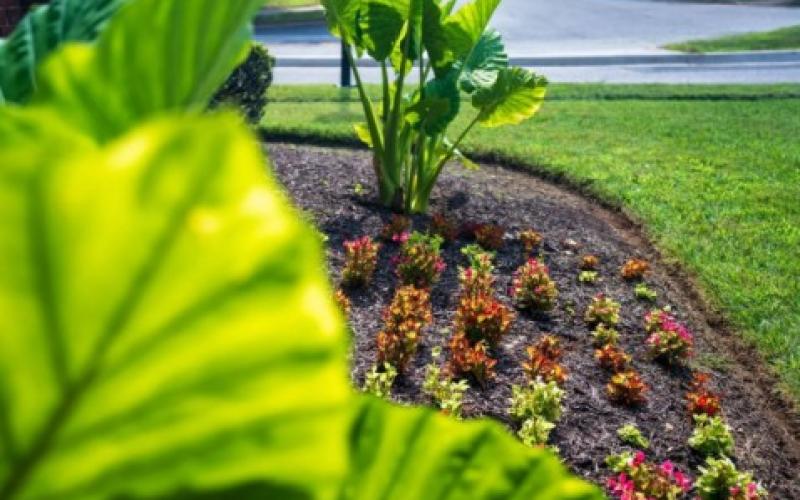
Different landscape elements require different forms of care. Turf needs appropriate mowing, edging, watering, fertilization, and weed management, while shrubs require pruning according to their growth patterns and desired appearance. Planting beds need regular weed removal, debris management, and mulch monitoring to maintain clean boundaries and support plant health. These tasks should work together because neglecting one area can affect the appearance of the entire property. For example, neatly mowed grass may still look unprofessional when shrubs are overgrown or planting beds are filled with weeds. Limitless Landscaping of Texas LLC provides ongoing commercial maintenance for properties such as offices, HOAs, and other commercial sites, with a focus on consistent upkeep and proactive solutions. A comprehensive approach helps property managers maintain a uniform standard across the entire landscape instead of focusing only on the most visible lawn areas.
Irrigation and Drainage Considerations
Water management is a critical part of commercial landscape performance. Irrigation systems can develop leaks, damaged sprinkler heads, uneven coverage, or watering schedules that no longer match seasonal requirements. These problems can result in dry turf, stressed plants, excessive runoff, or unnecessary water use. Regular landscape observation can help identify visible irrigation concerns before they affect large areas. Drainage requires similar attention, especially after heavy storms. Standing water, muddy areas, erosion, and repeatedly declining turf may indicate that water is not moving through the property effectively. In such cases, increasing routine maintenance may not solve the underlying issue. Limitless Landscaping of Texas LLC also provides drainage solutions designed to improve water flow and protect landscapes from water-related problems. Addressing irrigation and drainage as part of overall property care can support healthier turf and reduce recurring landscape issues.
Choosing the Right Commercial Landscape Provider
Selecting a landscape maintenance provider requires more than comparing service prices. Property owners should evaluate experience, communication, scheduling reliability, service capabilities, and the provider's ability to understand the specific requirements of commercial properties. A clear maintenance agreement should establish the recurring scope of work and explain how seasonal changes, additional projects, and unexpected issues are handled. Experience with related services can also be valuable because an established landscape may eventually require drainage improvements, new plantings, lighting, redesign, or installation work. Limitless Landscaping of Texas LLC has more than 30 years of landscaping experience and follows a structured process that begins with consultation and continues through planning, review, scheduling, and execution. This organized approach can help property managers establish clear expectations while creating a foundation for long-term landscape care.
Proactive Landscape Care Protects Property Investments
Reactive maintenance often means waiting until a landscape problem becomes obvious before taking action. A proactive strategy instead encourages regular observation and early intervention. Brown turf, declining shrubs, irrigation irregularities, drainage problems, excessive weed growth, and damaged trees may all provide early indications that something requires attention. Identifying these conditions early can make corrective work easier to plan and may reduce the likelihood of extensive deterioration. Proactive maintenance also helps property managers separate routine service from larger improvement projects. This distinction can make budgeting more manageable because urgent repairs are less likely to dominate the maintenance plan. Over time, a property that receives regular inspections and appropriate adjustments is better positioned to retain a consistent appearance and avoid preventable landscape problems.
Landscape Lighting and Exterior Presentation
Outdoor lighting can complement a commercial landscape by improving visibility and drawing attention to selected architectural or landscape features after dark. Entrances, pathways, trees, planting beds, and other important areas can be incorporated into a lighting plan based on how the property is used. However, lighting should be integrated thoughtfully rather than added without considering the existing landscape. Vegetation can block fixtures, overgrown plants can reduce visibility, and improperly positioned lights can create unwanted glare. Limitless Landscaping also offers landscape lighting design services, allowing lighting improvements to become part of a broader outdoor-property strategy. When lighting, landscaping, and maintenance are considered together, the property's appearance can remain consistent during both daytime and evening hours.
Building a Maintenance Program Around Property Needs
No two commercial properties have exactly the same maintenance requirements. A large office campus may have extensive turf and mature trees, while a retail center may require more frequent attention around entrances and parking areas. HOA properties may have community standards that require consistent care of shared landscapes, while smaller businesses may prioritize a polished entrance and manageable maintenance schedule. Property size, landscape design, traffic, irrigation, drainage, plant selection, and desired appearance should all influence the maintenance program. A property walkthrough is a useful starting point because it allows the provider to establish a baseline and identify priorities. From there, the scope can be organized into recurring maintenance, seasonal tasks, and potential improvement projects. This approach gives property managers a clearer understanding of what is required to maintain the landscape over the long term.
Long-Term Benefits of Professional Landscape Maintenance
Professional landscape maintenance can provide value beyond immediate curb appeal. Consistent care supports healthier turf and plants, keeps property boundaries neat, improves the appearance of common areas, and creates opportunities to identify problems before they become extensive. It can also reduce the time property managers spend coordinating separate landscape tasks. For commercial businesses, a reliable exterior supports a professional presentation that customers and visitors experience every day. For HOAs and managed communities, consistent landscaping can help maintain shared standards across highly visible areas. The greatest value comes from combining routine work with proactive observation and seasonal adjustments. Rather than treating landscaping as an occasional expense, property owners can view it as an ongoing part of maintaining the condition and usability of the entire property.
Conclusion
Maintaining a commercial property in Arlington requires a landscape strategy that responds to North Texas weather, changing plant conditions, irrigation needs, drainage concerns, and the expectations of people who use the property. Professional commercial landscape maintenance arlington tx can bring these responsibilities together through consistent mowing, edging, pruning, weed control, fertilization, seasonal cleanup, irrigation observation, and proactive property inspections. Limitless Landscaping of Texas LLC combines more than three decades of landscaping experience with commercial maintenance, drainage, lighting, design, and installation capabilities, giving property owners access to broader landscape support when needs evolve. The practical takeaway is to choose a provider that focuses on long-term property care rather than basic mowing alone. With consistent service and timely attention to developing issues, Arlington commercial properties can maintain healthier landscapes, stronger curb appeal, and a professional outdoor environment throughout the year.