Backyard Installation for New Homes | Denver Outdoor Design Guide
A newly constructed home provides homeowners with a rare opportunity to shape the outdoor environment from the beginning. While the house may be finished, the backyard often needs grading, landscaping, hardscaping, planting, turf, and other features before it becomes a comfortable place to use. Professional backyard installation for new homes can transform an unfinished yard into an organized outdoor living area that complements the architecture and supports everyday activities. Rather than treating the backyard as an afterthought, homeowners can use the early planning stage to establish a cohesive layout that addresses drainage, privacy, recreation, entertaining, and long-term maintenance.
The blank-slate nature of a new property also makes it possible to create an outdoor space specifically around the homeowner's lifestyle. Some families may want an open lawn for children and pets, while others may prioritize patios, outdoor kitchens, fire features, gardens, or private seating areas. Effective backyard installation for new homes combines these priorities with practical site considerations such as soil conditions, sunlight, elevation, water flow, access, and future improvements. A comprehensive plan can help homeowners avoid installing features that later interfere with one another and create a landscape that becomes more useful as it matures.
Start With a Complete Site Assessment
Before installation begins, the backyard should be evaluated as a complete property rather than a collection of separate spaces. New construction sites can contain compacted soil, uneven areas, construction debris, temporary drainage patterns, or elevation changes that may not be obvious at first glance. The position of the home, doors, windows, utility lines, property boundaries, fences, and neighboring properties can also influence the design. Sunlight exposure is another important consideration because it affects planting, turf, outdoor comfort, and the placement of seating areas. A professional assessment provides the information needed to establish an appropriate landscape plan. By identifying potential challenges before construction begins, homeowners can make informed decisions about grading, hardscape, planting, irrigation, and outdoor living features.
Address Grading and Drainage First
Drainage should be one of the earliest priorities when developing a new backyard. Water needs to move away from the home and other vulnerable areas without causing erosion, pooling, or unwanted runoff. Construction activity can change the natural grade of a property, making it important to determine how water currently moves and whether adjustments are needed. Patios, walkways, turf, planting beds, and retaining walls must all work within the drainage strategy. A patio that looks attractive but directs water toward the house can create unnecessary problems later. Addressing grading and drainage before installing the visible landscape features creates a stronger foundation for the entire project. It can also reduce the need for disruptive corrections after landscaping has been completed.
Design the Backyard Around Daily Activities
A backyard should be planned according to how the household expects to use it. Families with children may need a large open area for games and recreation, while homeowners who entertain frequently may require a generous patio and dining space. Others may want a peaceful garden, private seating area, or dedicated place for outdoor cooking. These preferences should determine the size and location of the major features. The connection between the house and backyard is equally important. A patio positioned close to frequently used doors can make outdoor dining and entertaining more convenient, while pathways can establish clear routes to gardens, recreation areas, and other parts of the property. Planning circulation at the beginning prevents furniture, planting, and hardscape from competing for limited space.
Choose the Right Lawn or Turf Option
The lawn can occupy a substantial portion of a new backyard, so homeowners should carefully consider whether natural grass or artificial turf is better suited to their needs. Natural grass offers a traditional appearance and can provide a comfortable open surface for recreation, but it requires regular mowing, watering, fertilization, and seasonal care. Artificial turf can provide a consistent appearance with different maintenance requirements and may appeal to homeowners seeking a more predictable lawn surface. The decision should take into account intended use, sunlight, drainage, household activities, maintenance preferences, and budget. Turf should also be integrated into the larger landscape rather than treated as leftover space. Thoughtful transitions between turf, patios, planting beds, and pathways can make the entire backyard feel more cohesive.
Create a Patio for Outdoor Living
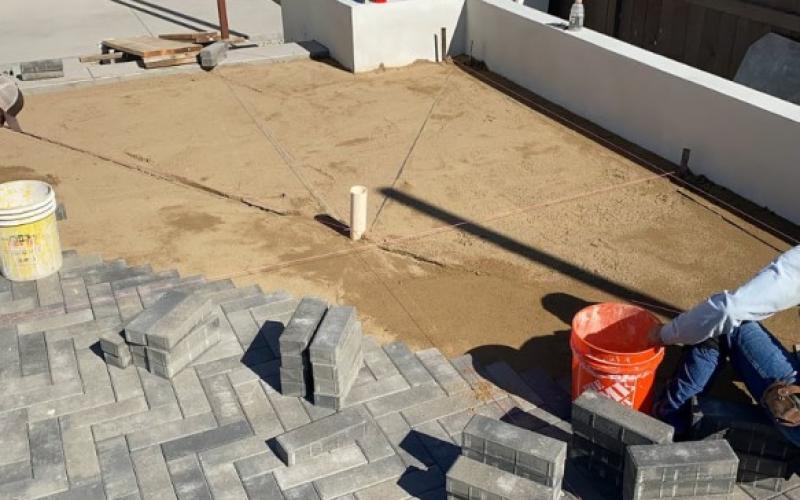
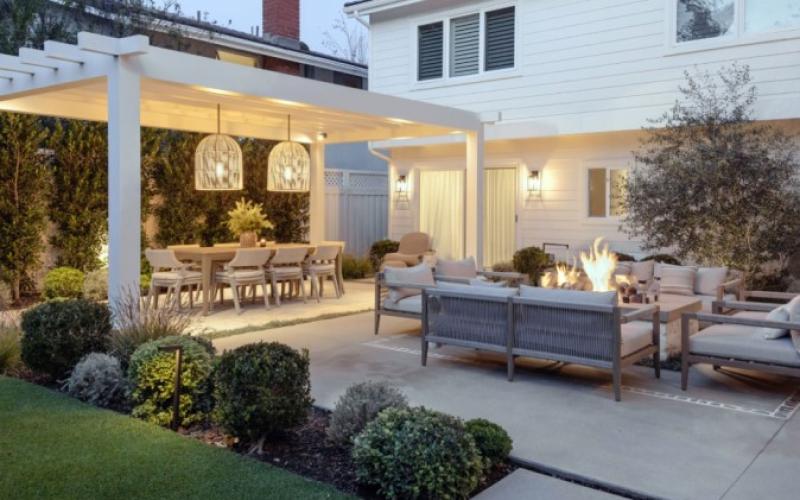
A well-designed patio can become the primary gathering space in a new backyard. It can support outdoor dining, comfortable seating, entertaining, cooking, or relaxing while providing a durable surface between the home and landscaped areas. Patio dimensions should be determined by the activities and furniture the space needs to accommodate. Pavers, natural stone, concrete, and other materials offer different appearances and maintenance considerations. Whatever material is selected, proper site preparation and drainage remain essential. Homeowners should also consider future additions such as outdoor kitchens, fire pits, pergolas, lighting, or expanded seating. Planning for these possibilities before construction can prevent future features from requiring major changes to an otherwise finished patio.
Add Plants for Privacy and Visual Balance
A newly constructed property can initially feel exposed because trees and shrubs have not yet matured. Strategic planting can gradually create privacy, shade, color, texture, and a stronger connection with the surrounding environment. Trees, shrubs, ornamental grasses, perennials, and groundcovers can be combined to create layers of vegetation and visual interest. Plant selection should account for mature size, sunlight exposure, soil conditions, water requirements, and maintenance expectations. Plants should not simply be chosen because they look attractive at installation; they need enough room to develop without interfering with structures, paths, utilities, or other vegetation. A carefully planned planting scheme can provide an immediate sense of organization while allowing the landscape to become fuller and more established over time.
Use Retaining Walls and Walkways Effectively
Changes in elevation can affect how a backyard is used and may require structural or circulation solutions. Retaining walls can help manage slopes while creating terraces, planting beds, seating areas, or visual boundaries. Walkways can connect the house with patios, gardens, recreational spaces, and other destinations. Steps may be needed where grade changes make a direct route impractical. These features should be designed together with drainage because walls and pathways can affect water movement. Material choices should also complement the home's exterior and other hardscape elements. When retaining structures and walkways are incorporated into the overall design, they can improve both functionality and visual continuity instead of appearing as corrective additions.
Plan for Future Outdoor Features
New homeowners may not want to complete every backyard feature immediately, but future possibilities should still be considered during the initial design. Outdoor kitchens, pergolas, fire features, lighting, additional seating, gardens, and privacy structures may become priorities later. A master plan can reserve suitable areas for these additions and establish appropriate relationships between current and future elements. This is especially helpful when a project will be completed in phases. Essential grading, drainage, utilities, pathways, and major structural components can be addressed early while decorative or specialized features are added later. Planning ahead reduces the chance that future improvements will require removing finished landscaping or rebuilding existing hardscape.
Select an Experienced Installation Team
The quality of a new backyard depends heavily on the team responsible for planning and installation. Homeowners should consider whether a contractor has experience with site preparation, grading, drainage, patios, turf, planting, retaining walls, and other landscape features included in the project. Clear communication is important because new construction projects can involve many decisions about materials, dimensions, access, scheduling, and future phases. A detailed proposal should explain the major components of the work and clarify what is included. Homeowners should also ask how unexpected site conditions will be handled and what preparation methods will be used. Experience and workmanship can be more valuable than selecting a contractor solely because the initial estimate is lower.
Plan for Long-Term Maintenance
A newly installed backyard needs appropriate care as plants establish and hardscape begins to experience regular use. Natural turf may require mowing, irrigation, fertilization, and seasonal maintenance, while artificial turf has different cleaning and upkeep requirements. Planting beds need watering, pruning, weeding, and monitoring as vegetation develops. Patios and walkways should be inspected periodically for surface buildup, damaged materials, or drainage concerns. Designing with maintenance in mind can make these responsibilities more manageable. Homeowners should communicate how much time they are willing to spend caring for the landscape before selecting plants, lawn options, and other features. A successful backyard is one that remains practical to maintain rather than becoming an ongoing source of unnecessary work.
Conclusion
Creating a backyard for a newly built home is an opportunity to establish a complete outdoor environment rather than simply filling an empty yard. Effective backyard installation for new homes begins with site assessment, grading, and drainage before moving into patios, turf, planting, walkways, retaining walls, and outdoor living features. Homeowners should define how they want to use the space, choose materials and plants that suit their needs, and consider future improvements before construction begins. A comprehensive approach can create better connections between the home and landscape while reducing the need for costly changes later. With careful planning, quality materials, proper installation, and realistic maintenance expectations, a new backyard can develop into a comfortable, attractive, and functional part of the property for many years.